
Wondering what to read this summer? Part of a book group? Want something to explore with fellow leaders? James Lawrence offers three suggestions, two released recently and one from the back catalogue.
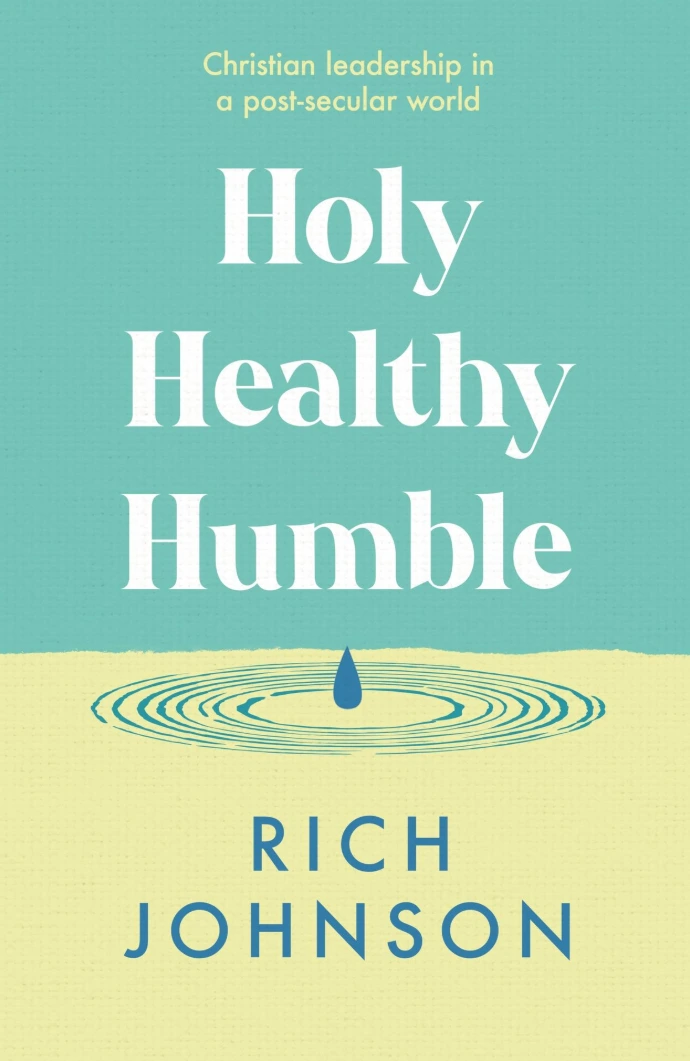
Holy, Healthy, Humble
by Rich Johnson (IVP)
Holy, healthy, humble. Three defining words for Christian leaders, but also three defining words for disciples of Jesus. And that's the point really. Johnson wants us to remember we are disciples before we are leaders. We are followers first.
The book looks at these three attributes through a leadership lens but constantly draws us back to holy, healthy and humble discipleship.
Each section describes the attribute, reflects on a biblical character as an example (Peter, David, and Ruth) and explores helpful postures and practices. Full of insights and ideas, Johnson draws on a wide variety of sources and shares from his own experience.
I found myself challenged again to review my own posture, encouraged to rethink some of my practises and thankful that I was reminded it's not ultimately about us.
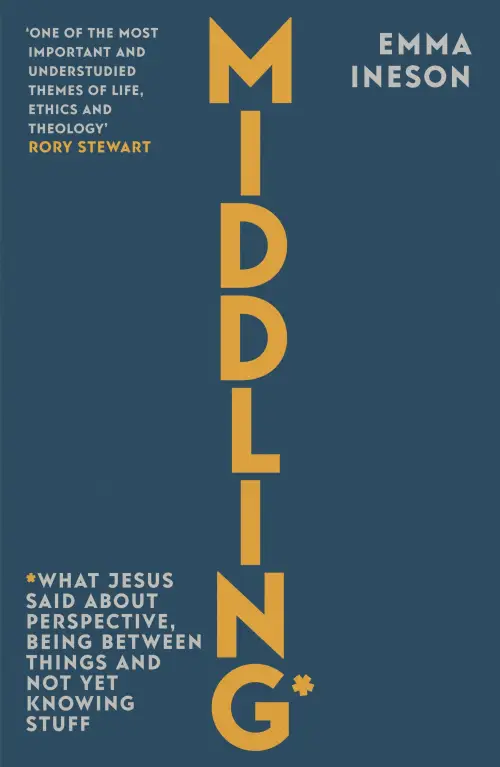
Middling
by Emma Ineson (SPCK)
Having tackled Ambition and Failure in her previous books, Ineson turns to Middling. What, I hear you ask, is ‘middling’?
‘The reality is that most of us live our lives in the middle of something or other.’ (p.2).
After exploring how Christian thinkers have often sought a ‘both/and’ theology, the book’s following chapters consider living in between times (drawing on liminality), finding middle ground in conflict, leading from the middle, and loving midlife – all examples of ‘middling’. She then looks at the spiritual disciplines that serve us well in the middle, and finally the dangers and pitfalls of middling.
As always, Ineson’s style is engaging, her integration of theology and praxis helpful, and her desire to help us make sense of a reality we all experience, many of us most of the time, refreshing.
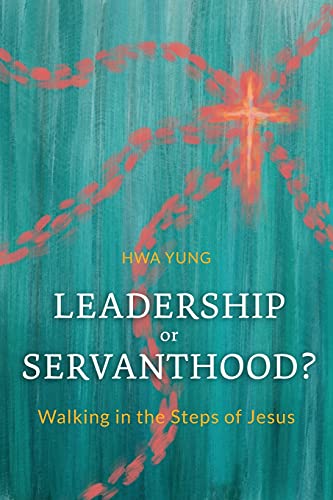
Leadership or Servanthood
by Hwa Yung (Langham)
For many years the phrase ‘servant leadership’ has resounded through leadership literature. Yung provocatively suggests it isn’t helpful.
He writes, ‘“servant leadership” merely confuses our thinking about the fundamental nature of Christian ministry’ (p.14) and suggests a more biblical approach is to focus instead on servanthood and submission. Neither sit easily with contemporary culture.
Yung suggests spiritual authority lies in our total submission to the Father and comes from the power of the Holy Spirit at work in us and through us as we do what the Father asks of us.
I really enjoyed the majority world perspective he brings to the subject, and appreciate the challenge offered to the Church in the west and in the majority world.
This is a must read for anyone seriously pursuing God's good purposes for their lives and thinking that that might involve some form of leadership. Whilst deeply challenging to the leadership development programmes of our day, it offers a healthy way forward for all who want to serve Christ.